|
|
 |
|
|
|
Weekly Torah Reading
|
|
|
Parashat Vaetchanan ("and I pleaded")
|
|
|
Click on the links to display the Scriptures:
|
|
|
|
|
|
|
|
Torah Reading Overview
|
|
|
|
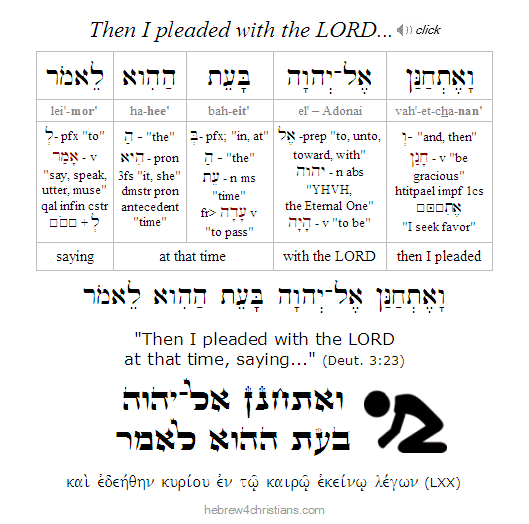
In last week's parashah (Devarim), Moses began his personal speech summarizing Israel's 40 year history of wandering in the wilderness, leading up to the conquests of Sihon (Deut 2:24-37) and Og (Deut 3:1-11). The Israelites were now in the land of Moab, just east of the Jordan, waiting to enter the Promised Land.
The speech continues:
|
|
|
|
|
|
"And I pleaded with the LORD at that time, saying, 'O Lord GOD, you have only begun to show your servant your greatness and your mighty hand. For what god is there in heaven or on earth who can do such works and mighty acts as yours?'"
(Deut 3:23-24)
|
|
|
|
The Significance of this Parashah
|
|
|
|
|
This portion of Torah includes some of the most fundamental texts of the Jewish Scriptures, including the Ten Commandments, the Shema (the duty to love God and study His Torah), and the commandments of tefillin and mezuzot. Please see the links for each of these vital topics in the commentary below. In addition, this portion includes Moses' prediction of the galut (exile) and the eventual redemption of the Jewish people in acharit hayamim (the prophesied "End of Days").
|
|
|
|
The Plea of Moses
|
|
|
|
Moses continued his speech by telling the people that after Sihon and Og were conquered, he pled with the LORD to let him enter the Promised Land to "finish the job" against the seven nations of Canaan, despite his sin at Meribah. According to Jewish tradition, Moses begged the LORD in 515 different ways to be given an exemption for his sin (this number is from the gematria of the word vaetchanan), but the LORD refused each time. No, Moses would die with the men of his generation in the desert. However, he was given the opportunity to see the land of promise from the top of Mount Nebo (also called Pisgah, from pasak, meaning to pass between). Apart from this glimpse, however, Moses was forbidden to cross the Jordan. Yehoshua, the type of Mashiach Yeshua, would be the one to bring the people into the land of promise.
|
|
|
|
The Call to Obedience
|
|
|
|
Since the Israelites were about to take possession of the land without him, Moses called on them to earnestly keep the commandments of the LORD: "And now, O Israel, listen (i.e., shema: שְׁמַע) to the statutes and the rules (הַחֻקִּים וְאֶל־הַמִּשְׁפָּטִים) that I am teaching you, to do them (לַעֲשׂוֹת), that you may live, and go in and take possession of the land that the LORD, the God of your fathers, is giving you" (Deut 4:1). It is forbidden to add to or "beautify" the commandments of the Torah (or even to add "fences" - gezeirot - to the Torah). Adding to the Torah commandments will inevitably lead to a distortion of their original intent, and therefore to eventual disobedience to God's clear instructions. The keeping and doing of the commandments will impart wisdom (chokhmah) and understanding (binah) to the people - and this will glorify the LORD before all the nations.
|
|
|
|
|
|
|
|
Face to Face at Sinai
|
|
|
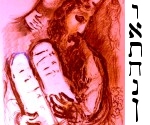
Rak hashamer lekha u'shemor nafshekha me'od pen-tishkach et-hadevarim asher-ra'u.... "Take utmost care and watch yourselves scrupulously, lest you forget the things you have seen..." We must never forget matan Torah, and each of us is to regard ourselves as personally having participated in the dramatic events at Sinai. "You came near and stood at the foot of the mountain, while the mountain burned with fire to the heart of heaven (ad lev hashamayim), wrapped in darkness, cloud, and gloom." "You heard His voice." Out of the fire and smoke the Voice of the LORD declared His covenant, which he commanded you to perform, that is, the Ten Commandments, and he wrote them on two tablets of stone:
|
|
|
 |
|
|
|
And he declared to you his covenant, which he commanded you to perform,
that is, the Ten Commandments,
and he wrote them on two tablets of stone. (4:13)
|
|
|
|
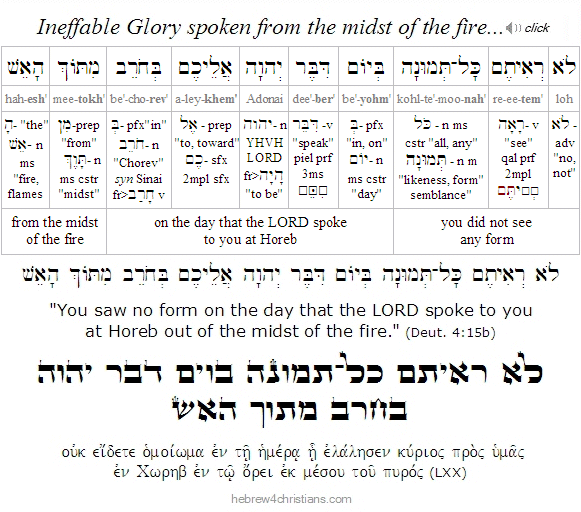
God spoke panim el panim (פָּנִים אֶל־פָּנִים) - "face to face" - with those gathered before Moses, and not only with their fathers (5:1-5). In addition to the Ten Commandments, Moses was commanded to instruct the people various chukkim u'mishpatim - "statutes and judgments" that were to be observed in the land that the LORD was giving to Israel.
Idolatry of any kind, therefore, was forbidden to the people. The LORD is absolutely unique and without peer in the universe. He cannot be represented with any sort of graven image or artwork. He is not to be identified with the physical universe but stands in relation to it as Creator and LORD.
|
|
|
|
 |
|
|
|
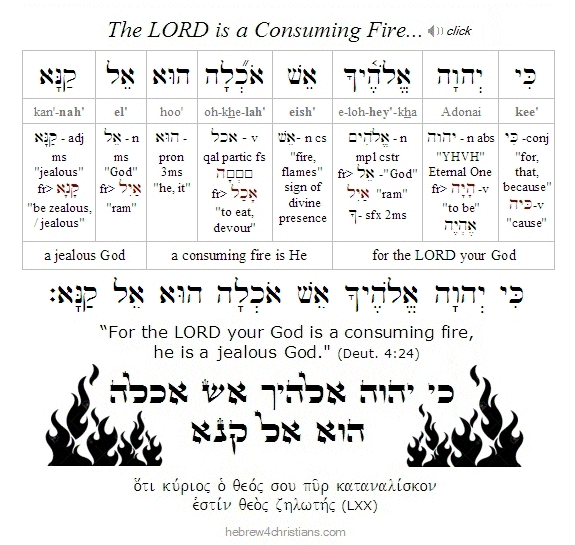
The LORD YHVH (יהוה) here identifies Himself as El Kana, the Jealous God (a designation repeated elsewhere in Scripture (Exod. 34:14, Deut. 5:9; 6:15; 1 Kings 19:10, 14)) in memory of the "marriage ceremony" between Israel and God. A Jew who engages in idolatry is like a spouse who willfully engages in adultery (indeed, idolatry is a form of spiritual adultery). The LORD watches over Israel lovingly and closely, like a faithful and passionate husband watches over his beloved wife.
|
|
|
|
 |
|
|
|
|
|
|
|
|
|
|
|
|
|
|
|
|
|
|
Consequences of Avodah Zarah (עֲבוֹדָה זָרָה)
|
|
|
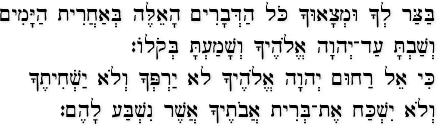
Moses prophesied that if the Jews later forgot the LORD and served idols, they would perish from the promised land and be put to exile (galut). However, if they would turn to the LORD and do teshuvah (תְּשׁוּבָה) with all their hearts and all their souls, Adonai would have mercy upon them:
|
|
|
 |
|
|
|
When you are in tribulation, and all these things come upon you in the latter days (acharit hayamim), you will return to the LORD your God and obey his voice.
For the LORD your God is a merciful God. He will not leave you or destroy you or forget the covenant with your fathers that he swore to them. (4:30-31)
|
|
|
|
Note that Moses relied on the LORD's covenantal promise given to Abrahan as the basis for God's ultimate mercy and restoration of Israel in the "latter days" (acharit haymaim). Note further that this restoration of Israel from her long exile will be accomplished only b'tzar lekha (בַּצַּר לְךָ), when they are in tribulation.... This agrees with the words of Yeshua who foretold of the coming tzuris of Israel in the end of days (Matt 24:21). Only after Israel cries out, Baruch haba b'shem Adonai (בָּרוּךְ הַבָּא בְּשֵׁם יהוה) in reference to Yeshua as their Savior will they be delivered during the 70 birthpangs of the Messiah (otherwise called chevlei Mashiach (חֶבְלֵי מָשִׁיחַ) or the Time of Jacob's Trouble).
|
|
|
ve'Zot HaTorah - "This is the Torah"
|
|
|
|
Moses then designated three Arei Miklat (Cities of Refuge) east of Jordan, repeated the Ten Commandments, expounded the greatest commandment of the Torah, the Shema, instructed that tefillin ("phylacteries") be used as a "sign" upon one's hand/forehead, and commanded that Israelite door posts be marked with mezuzot.
Moses further warned the Israelites not to forget the LORD after they entered the land and were established as a prosperous people. They were to avoid assimilation and to always remember that they were am segulah (עַם סְגֻלָּה) - God's "treasured people."
|
|
|
|
 |
|
|
|
For you are a people holy to the LORD your God. The LORD your God has chosen you to be a people for his treasured possession, out of all the peoples who are on the face of the earth. (7:6)
|
|
|
|
 |
|
|
|
Haftarah Reading Overview
|
|
|
|
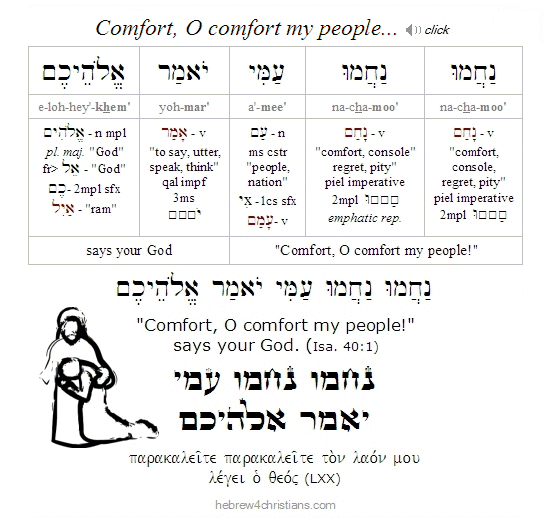
The Haftarah for Parashat Va'etchanan (Isaiah 40:1-26) is called the "First Haftarah of Consolation," so named because of the opening words: Nachamu, Nachamu, Ami, "Be Comforted, Be Comforted, My People." According to the Jewish sages, this is the first of the Seven Haftarot of Consolation that were spoken to the Jewish People by the LORD. Rashi says that this Haftarah refers mainly to the Messianic future, when the Jewish People will be comforted after all the exiles and punishments of history are over.
|
|
|
 |
|
|
|
|
During Tishah B'Av, the book of Lamentations is chanted during the minchah (afternoon) service. The exiles had mourned that they lacked anyone to comfort them (Lam 1:2, 9, 16, 21), but here we read, Nachamu, Nachamu, Ami, "Be Comforted, Be Comforted, My People," marking a significant shift in perspective.
In that coming day, Jerusalem will be exalted and the people of God regathered and comforted. The suffering of the exiles will have been completed, and all Israel will be saved from her enemies. (May it happen speedily, and in our day.)
As Messianic believers in our LORD Yeshua the Messiah, we believe that the ultimate comfort coming to the Jewish people will finally be realized when the Lord Jesus returns to set up His kingdom at the time of the Second Coming. Indeed, He is coming soon to Zion and His reign will have no end. May it be speedily, in our day... Amen.
|
|
|
|
|
|
|
|
|
|
|
|
|
|
|
|
Brit Chadashah Overview
|
|
|
|
Matthew 23:31-9 provides us a glimpse of the LORD' jealous heart for Jerusalem. Zion is the symbol of God's rule over all the earth, representing the consummation of His love for mankind. Called the city of the great King (Matt 5:35), the place of Malki-Tzedek, the restoration of paradise lost, Zion is the goal of God's redemptive work in human history.
In this passage Jesus denounces the religious leaders of Israel for rejecting Him - and thereby hindering the ultimate restoration of Jerusalem. Poignantly He cries, "O Jerusalem, Jerusalem, the city that kills the prophets and stones those who are sent to it! How often would I have gathered your children together as a hen gathers her brood under her wings, and you would not! See, your house is left to you desolate. For I tell you, you will not see me again, until you say, 'Blessed is he who comes in the name of the Lord' (baruch haba b'shem Adonai). In other words, Zion will remain without comfort until the Messiah Jesus is received by Israel as the rightful King (may that day come soon!)
In the reading from Mark, the LORD Jesus was asked which of the mitzvot of the Torah is the most important of all? Or, to put it another way, what is it that God requires of us? What is the purpose of our lives, and how can we fulfill that purpose?
Jesus answered this question by reciting the Shema (with the v'ahavta) as the greatest commandment and added the commandment from Leviticus 19:18, "You shall love your neighbor as yourself" as the second great commandment:
|
|
|
 |
|
|
|
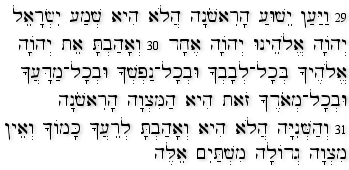
Jesus answered, "The most important (commandment) is, 'Hear, O Israel: The Lord our God, the Lord is one. And you shall love the Lord your God with all your heart and with all your soul and with all your mind and with all your strength.' The second is this: 'You shall love your neighbor as yourself.' There is no other commandment greater than these." (Mark 12:29-31)
|
|
|
|
Va'etchanan means "I pleaded," which we may now understand as God's plea that we:
- Love Him as the Source of all our real and abiding good
- Love one another as we love ourselves
The love of God and others! Think of it! The greatest commandment is not found in the knowledge of Torah, regardless of how edifying or noble; nor in external observances, regardless of how scrupulously or beautifully observed; nor in the practice of Jewish minhagim (customs), regardless of how much they might make us feel identified with God's Chosen People. No. Jesus' answer is that the greatest duty of our lives is to love God with every bit of our passion, inwardness, and strength, and to extend that same love we instinctively feel toward ourselves to others around us.
When we walk in the power of the Holy Spirit and the fruit of the Holy Spirit is produced within us, we will not find ourselves walking contrary to the way of the Torah (Gal. 5:22-23), and the inward motivation of the Torah will be written upon our hearts
(Jer. 31:33). As Rav Sha'ul (Paul) wrote in Romans 13:10, "Love is the fulfilling of the law."
May it please the LORD to give us a heart that can love in the truth. Amen.
Blessing:
|
|
|
|
|
 |
|
|
|
|
|
Related Discussion:
|
|
|
|
|
|
|
Hebrew Audio Files:
|
|
|
|
|
Click the following links to hear the desired chapters read from this week's Torah:
|
|